
Top 10 Dog Breeds That Make the Perfect Companion

The best companion dog for you will depend on your activity level, home, schedule, experience, budget and willingness to meet the dog’s exercise, training, grooming and healthcare needs.
Breed tendencies can help you narrow your options, but they are not guarantees. Every dog has an individual personality shaped by genetics, early experiences, training, health and environment.
The following ten breeds are widely appreciated for their affectionate and people-oriented temperaments. Each has different strengths and challenges that should be considered before you make a decision.
What Makes a Good Companion Dog?
A good companion dog should fit comfortably into its owner’s daily life. Affection is important, but it is only one part of compatibility.
Consider the following factors:
Adult size and strength
Daily exercise requirements
Trainability
Sociability with people
Behavior around children and other pets
Tendency to bark
Grooming and shedding
Time the dog can comfortably spend alone
Common breed-related health problems
Lifetime cost of food, grooming and veterinary care
Access to safe outdoor space
Local housing or breed restrictions
A friendly breed can still become anxious, destructive or difficult to manage when its needs are not met. Training, socialization, preventive healthcare and sufficient exercise remain essential.
1. Labrador Retriever
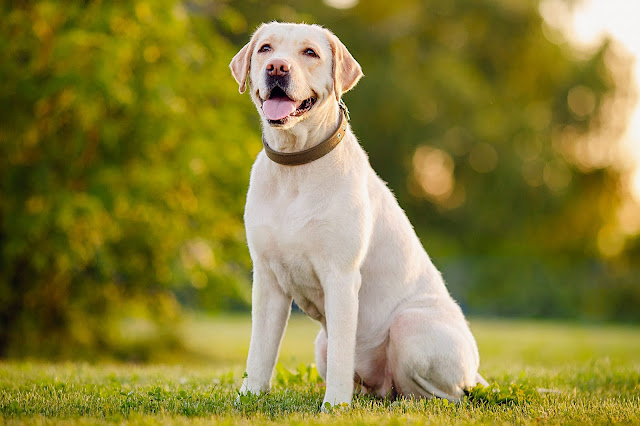
The Labrador Retriever is one of the best-known companion breeds. Labradors are typically friendly, outgoing, affectionate and eager to participate in family activities.
Originally developed as working retrievers, they remain energetic, intelligent and highly food-motivated. These qualities often make them responsive to reward-based training.
Best suited to:
Active individuals and families
Owners who enjoy walking, hiking or swimming
Homes that can accommodate a medium-to-large dog
People willing to train and exercise the dog daily
Important considerations:
Labradors are energetic dogs, especially during puppyhood and adolescence. Without sufficient activity and training, they may jump on people, pull on the leash, chew household objects or become overweight.
They shed throughout the year and usually require regular brushing. Their love of food also means that meals and treats should be measured carefully.
Health screening is important because Labradors can develop hip and elbow dysplasia, inherited eye conditions and other health problems. Choose a responsible breeder who provides verifiable health-test results, or work with a reputable rescue organization.
A Labrador can be an exceptional companion, but it should not be chosen simply because the breed is popular. Owners must be prepared for its strength, enthusiasm, shedding and exercise needs.
2. Golden Retriever
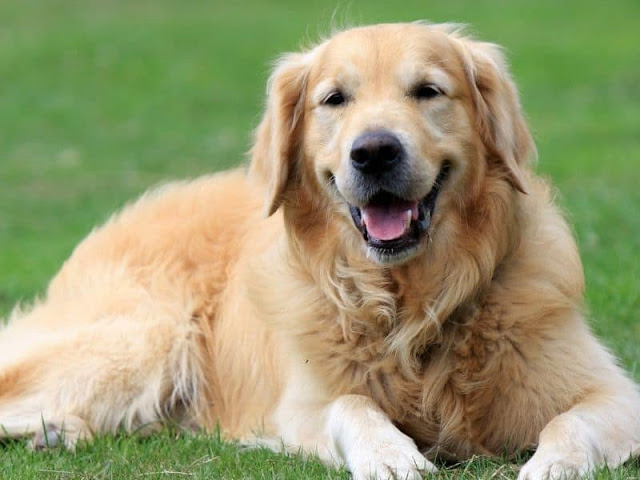
Golden Retrievers are admired for their affectionate, sociable and trainable nature. They often form strong relationships with family members and enjoy being involved in everyday activities.
Many Goldens are patient and approachable, but puppies and young adults can be extremely playful and energetic. Early training helps them learn to greet people calmly, walk politely and control their excitement.
Best suited to:
Families and active individuals
Owners who want a trainable, people-oriented dog
Homes prepared for regular grooming and shedding
People with time for daily exercise and companionship
Important considerations:
Golden Retrievers need regular physical exercise and mental stimulation. Retrieving games, swimming, scent activities and obedience training can help channel their energy.
Their feathered coat sheds heavily and requires frequent brushing. The ears should be checked regularly, particularly after swimming.
The breed can be affected by joint disease, eye problems, heart conditions and certain cancers. Prospective owners should investigate the health and longevity of a breeder’s dogs rather than relying only on appearance or registration papers.
3. Poodle

Poodles are intelligent, athletic and highly trainable dogs. They come in Standard, Miniature and Toy sizes, allowing prospective owners to consider which size best fits their household.
Despite their decorative appearance, Poodles were developed as working water retrievers. They generally enjoy learning, exercise, games and close interaction with people.
Best suited to:
Owners who enjoy training and mental enrichment
People seeking a lower-shedding breed
Active families
Homes prepared for professional grooming
Important considerations:
Poodles require regular coat maintenance. Their continuously growing coat can become painfully matted without brushing and clipping.
Although they shed less visibly than many breeds, no dog is completely hypoallergenic. People with allergies should spend time with individual dogs before making a commitment.
Poodles can become bored when they receive too little exercise or mental stimulation. Training games, retrieving, scent work and puzzle feeders help keep their minds occupied.
Health concerns differ among Standard, Miniature and Toy Poodles. Ask for health tests appropriate to the particular variety.
4. Cavalier King Charles Spaniel

The Cavalier King Charles Spaniel is a small, affectionate dog known for its gentle and people-oriented personality. Many Cavaliers enjoy both relaxing with their owners and participating in moderate outdoor activities.
Their adaptable size and generally friendly temperament can make them appealing to families, older adults and first-time owners.
Best suited to:
People seeking an affectionate small companion
Apartments or houses
Households able to provide frequent company
Owners comfortable with regular coat and ear care
Important considerations:
Cavaliers form strong bonds with people and may struggle when left alone for long periods. Gradual independence training is important.
Their silky coat needs regular brushing, and their hanging ears require inspection for irritation or infection.
The breed has significant inherited health concerns, particularly mitral valve heart disease. Eye problems, joint disorders and neurological conditions may also occur.
Prospective owners should insist on verifiable health screening and should not buy from a breeder who dismisses these risks. Adopting an adult Cavalier with a documented health assessment may also be considered.
5. Bichon Frise
.png "10 Best Companion Dog Breeds: Temperament, Care & Choosing the Right Match")
Their manageable size makes them attractive to apartment residents, older adults and families.
Best suited to:
Apartment or city living
Owners seeking a small, sociable dog
Families prepared to supervise young children
People willing to maintain the coat
Important considerations:
The Bichon’s soft, curly coat sheds relatively little, but it requires frequent brushing and professional trimming. Low shedding does not mean low maintenance.
Bichons may develop separation-related problems if they are never taught to remain alone for short periods. Early training should include calm independence as well as socialization.
Dental disease, skin problems, allergies, kneecap problems and bladder stones can occur. Routine dental care, weight management and veterinary checkups are important.
Small dogs are vulnerable to accidental injury, so interactions with young children and larger animals require supervision.
6. Havanese

Havanese can adapt well to apartments and urban environments, provided they receive daily walks, play and mental stimulation.
Best suited to:
People seeking an affectionate small dog
City and apartment residents
Owners who spend substantial time at home
Families willing to provide grooming and training
Important considerations:
A Havanese may become distressed when left alone too frequently or for long periods. Gradually teaching independence helps reduce the risk of separation-related behavior.
The long coat requires regular brushing and trimming. Some owners maintain a shorter coat, but it still needs routine care.
Although small, Havanese are not ornaments. They benefit from training, play, walks and opportunities to explore.
Responsible breeders should screen for relevant eye, joint, hearing and cardiac concerns.
7. Papillon
.png "10 Best Companion Dog Breeds: Temperament, Care & Choosing the Right Match")
Papillons are often cheerful, curious and highly trainable. They can excel in obedience, agility and other activities despite their small size.
Best suited to:
Owners who want a small but active dog
People interested in training or dog sports
Apartments and smaller homes
Households able to handle a delicate dog carefully
Important considerations:
Papillons need more mental and physical activity than their delicate appearance may suggest. Boredom may contribute to barking or unwanted behavior.
Their small bodies can be injured through rough handling, falls or unsupervised interactions with larger dogs. Young children must be taught how to interact gently.
The coat needs regular brushing, particularly around the ears and legs. Dental care is also important.
Possible health concerns include kneecap problems, dental disease, eye conditions and certain inherited disorders. Ask breeders about appropriate health screening.
8. English Cocker Spaniel
.png "10 Best Companion Dog Breeds: Temperament, Care & Choosing the Right Match")
The breed combines a manageable medium size with the energy and intelligence of a working spaniel.
Best suited to:
Active families
Owners who enjoy walking and outdoor activities
People willing to train and groom regularly
Homes seeking a medium-sized companion
Important considerations:
English Cockers need daily exercise and mental stimulation. Field or working lines may be considerably more energetic than dogs bred mainly for companionship or showing.
Their coats require brushing and trimming, and their hanging ears can trap moisture and debris. Ear irritation, odor or discharge should be assessed by a veterinarian.
The breed can develop eye disorders, hip problems and other inherited conditions. Temperament and health can vary among breeding lines, so responsible selection is essential.
Early reward-based training helps manage excitement, chasing behavior and pulling on the leash.
9. Whippet

Many are gentle, affectionate and physically close with their families. Their short coat requires relatively little grooming.
Best suited to:
People seeking a quiet indoor companion
Apartments or houses with access to safe exercise
Owners who enjoy walking but do not want intensive coat care
Households able to provide warm, comfortable resting areas
Important considerations:
Whippets have a strong instinct to chase moving animals. They should be exercised off-leash only in securely enclosed areas.
A normal fence is preferable to relying on an electronic boundary, because a motivated Whippet may run through the signal while chasing an animal.
Their thin coat and low body fat provide limited protection in cold weather. They may need a suitable coat in cold climates.
Whippets are sensitive dogs that generally respond poorly to harsh handling. Patient, reward-based training is recommended.
Health testing remains important, particularly for heart, eye and hearing concerns where relevant.
10. German Shepherd Dog

The German Shepherd Dog is an intelligent, loyal and highly trainable working breed. German Shepherds often form strong bonds with their families and can become devoted companions when properly bred, socialized and trained.
Originally developed for herding and later used in police, military, search-and-rescue, service and protection work, the breed needs both physical exercise and meaningful mental activity.
Best suited to:
- Active and experienced dog owners
- Families committed to training and socialization
- People interested in obedience, scent work or dog sports
- Homes able to accommodate a large, powerful dog
Important considerations:
German Shepherds require daily exercise, structured training and regular mental stimulation. Walks alone may not be enough; obedience exercises, tracking, scent games and controlled play can help satisfy their working instincts.
Early socialization is essential. Puppies should be introduced positively to different people, animals, environments and everyday situations. Poor breeding, inadequate socialization or fear-based training may contribute to anxiety, excessive guarding or reactivity.
German Shepherds shed heavily and require regular brushing. Their dense double coat should not normally be shaved, because it helps protect the skin and regulate body temperature.
The breed can develop hip and elbow dysplasia, degenerative myelopathy, digestive problems and other inherited conditions. Ask breeders for verifiable hip, elbow and relevant genetic health-test results rather than accepting a general statement that the parents are healthy.
A German Shepherd should not be selected solely because someone wants a guard dog. It needs companionship, humane training, controlled social experiences and a responsible owner who can manage its strength and protective tendencies.
When its physical, mental and social needs are met, a German Shepherd can be a loyal, affectionate and exceptionally capable companion.
Which Companion Breed Is Best for Families With Children?
A dog’s breed alone cannot guarantee safe or appropriate behavior around children.
Labrador Retrievers, Golden Retrievers, Poodles, Bichons, Cavaliers and several other breeds on this list often live successfully with families. However, the individual dog’s temperament, age, training, previous experiences and energy level are equally important.
Consider the following:
Large, energetic dogs may accidentally knock over small children.
Very small dogs can be injured by rough handling.
Older dogs may prefer a quieter home.
Puppies require substantial supervision and training.
Children should never climb on, hit, chase or disturb a dog.
Dogs should have a quiet place where children do not follow them.
Adult supervision is necessary even with a familiar family dog.
A calm adult rescue dog with a known history around children may sometimes be a better match than an energetic puppy.
Which Breeds Are Suitable for Apartments?
Living space is only one part of choosing a dog. Exercise, barking, temperament and the owner’s schedule are often more important than size.
Potential apartment companions on this list include:
Bichon Frise
Havanese
Papillon
Cavalier King Charles Spaniel
Miniature or Toy Poodle
Whippet
Miniature Schnauzer
However, apartment dogs still need outdoor exercise, training, enrichment and opportunities to relieve themselves.
A bored small dog can create as many problems as a bored large dog. Consider noise sensitivity, access to stairs or lifts and proximity to safe walking areas.
Which Companion Dogs Shed the Least?
Poodles, Bichons, Havanese and Miniature Schnauzers generally shed less visibly than Labrador Retrievers, Golden Retrievers and many other breeds.
However, low shedding usually comes with greater grooming requirements. Hair that does not fall out readily can remain in the coat and form mats.
No dog is completely hypoallergenic. Allergic reactions may be triggered by proteins in saliva, skin flakes and urine as well as hair.
Spend time with the breed—and preferably the individual dog—before making a decision if someone in the household has allergies.
Should You Choose a Puppy or an Adult Dog?
Puppies are appealing, but they require toilet training, socialization, supervision, frequent veterinary care and patient behavior training.
An adult dog may already have an established temperament and energy level, making compatibility easier to assess. Some adult dogs are already house-trained and comfortable with basic routines.
Senior dogs can be affectionate, settled companions for quieter households. They may need more veterinary care, but they often require less intense exercise than puppies and young adults.
Consider reputable rescue organizations as well as responsible breeders. Mixed-breed dogs can make equally wonderful companions when their size, temperament, health and energy level suit the household.
How to Choose a Responsible Breeder
A responsible breeder should prioritize health and temperament rather than producing puppies as quickly as possible.
Look for a breeder who:
Performs breed-appropriate health tests on both parents
Allows you to review verifiable results
Raises puppies in a clean and stimulating environment
Socializes puppies appropriately
Asks questions about your household and experience
Provides veterinary and registration records
Does not release puppies at an inappropriately young age
Offers a written agreement
Will take back or assist with a dog if the owner can no longer provide care
Does not always have multiple litters available
A general veterinary check is not the same as breed-specific genetic and orthopedic health screening.
Avoid sellers who refuse to show health records, pressure you to pay quickly, offer to meet only in a car park or will not allow reasonable questions about the parents and living conditions. Even well-bred dogs can become ill, so owners should recognize the warning signs of common dog diseases.
Preparing for Your New Companion
Before bringing a dog home, prepare:
Appropriate food
Food and water bowls
A secure collar or harness
Identification
A leash
A comfortable bed
A crate or safe resting area, if appropriate
Grooming supplies
Safe toys
Cleaning products
A veterinarian
A vaccination and parasite-prevention plan
A realistic training and exercise schedule
Puppy-proof or dog-proof the home by securing electrical cables, medicines, cleaning products, food, rubbish and small objects that could be swallowed.
Allow the dog time to adjust. Avoid overwhelming a new arrival with too many visitors, outings or unfamiliar experiences during the first few days.
Frequently Asked Questions
What Is the Friendliest Dog Breed?
Labrador Retrievers, Golden Retrievers, Cavaliers, Bichons and Havanese are often known for sociable temperaments, but breed does not guarantee friendliness.
Genetics, socialization, training, health and life experiences all influence behavior.
What Is the Best Companion Dog for a First-Time Owner?
A well-socialized Labrador, Golden Retriever, Poodle, Bichon or Cavalier may suit some first-time owners. However, grooming, exercise, size and health requirements differ considerably.
A calm adult dog whose temperament is already known may be easier than a puppy.
What Is the Best Low-Maintenance Companion Dog?
There is no maintenance-free dog. Whippets have relatively simple coats, but they still require exercise, training, healthcare and secure opportunities to run.
Low-shedding breeds generally require frequent professional grooming.
Can Companion Dogs Be Left Alone All Day?
Dogs are social animals and should not routinely be left alone for very long periods. Puppies require particularly frequent toilet breaks, supervision and interaction.
Adult dogs should be taught to remain alone gradually. Owners who work long hours may need help from a trusted family member, pet sitter or professional dog walker.
Are Mixed-Breed Dogs Good Companions?
Yes. Mixed-breed dogs can make excellent companions. Evaluate the individual dog’s temperament, adult size, energy level, health and behavior rather than focusing exclusively on ancestry.
Conclusion
The perfect companion dog is not necessarily the most popular, attractive or fashionable breed. It is the dog whose needs and temperament genuinely match your household.
Labradors and Golden Retrievers may suit active families. Poodles provide intelligence and versatility. Cavaliers, Bichons and Havanese offer affectionate companionship in smaller packages. Papillons suit people who want a compact but trainable dog, while English Cockers, Whippets and Miniature Schnauzers each offer a different balance of energy, size and care requirements.
Before choosing, research the breed carefully, meet adult dogs where possible and consider adoption as well as responsible breeders. Plan for exercise, training, grooming, food, veterinary care and companionship throughout the dog’s life. A thoughtful match gives both the owner and the dog the best chance of building a healthy, lasting and rewarding relationship.


